Precision CNC Milling Solutions
Robtrix Precision provides advanced CNC milling services for custom machined components, engineering prototypes, and industrial production parts.
Using modern 3-Axis, 4-Axis, and 5-Axis CNC machining centers including VMC and HMC systems, we manufacture high-precision components with excellent dimensional accuracy, surface quality, and reliable production consistency.
From rapid prototyping to full-scale production, our CNC milling system supports both simple and highly complex geometries across a wide range of industrial materials.
■ CNC Milling Capabilities
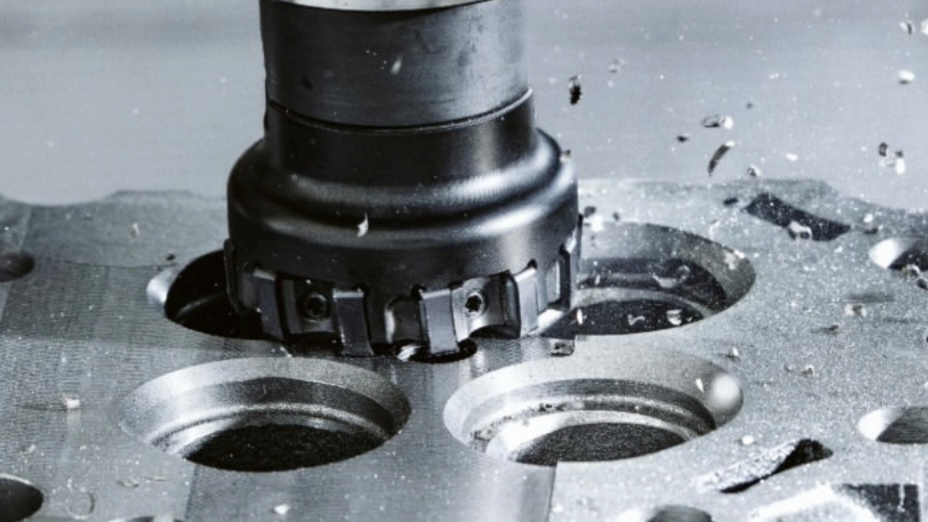
Robtrix Precision provides advanced CNC milling solutions for precision machined components used in industrial, automotive, tooling, and engineering applications.
Our manufacturing system supports 3-Axis, 4-Axis, and 5-Axis CNC milling operations for complex geometries, precision contour machining, and high-accuracy industrial components.
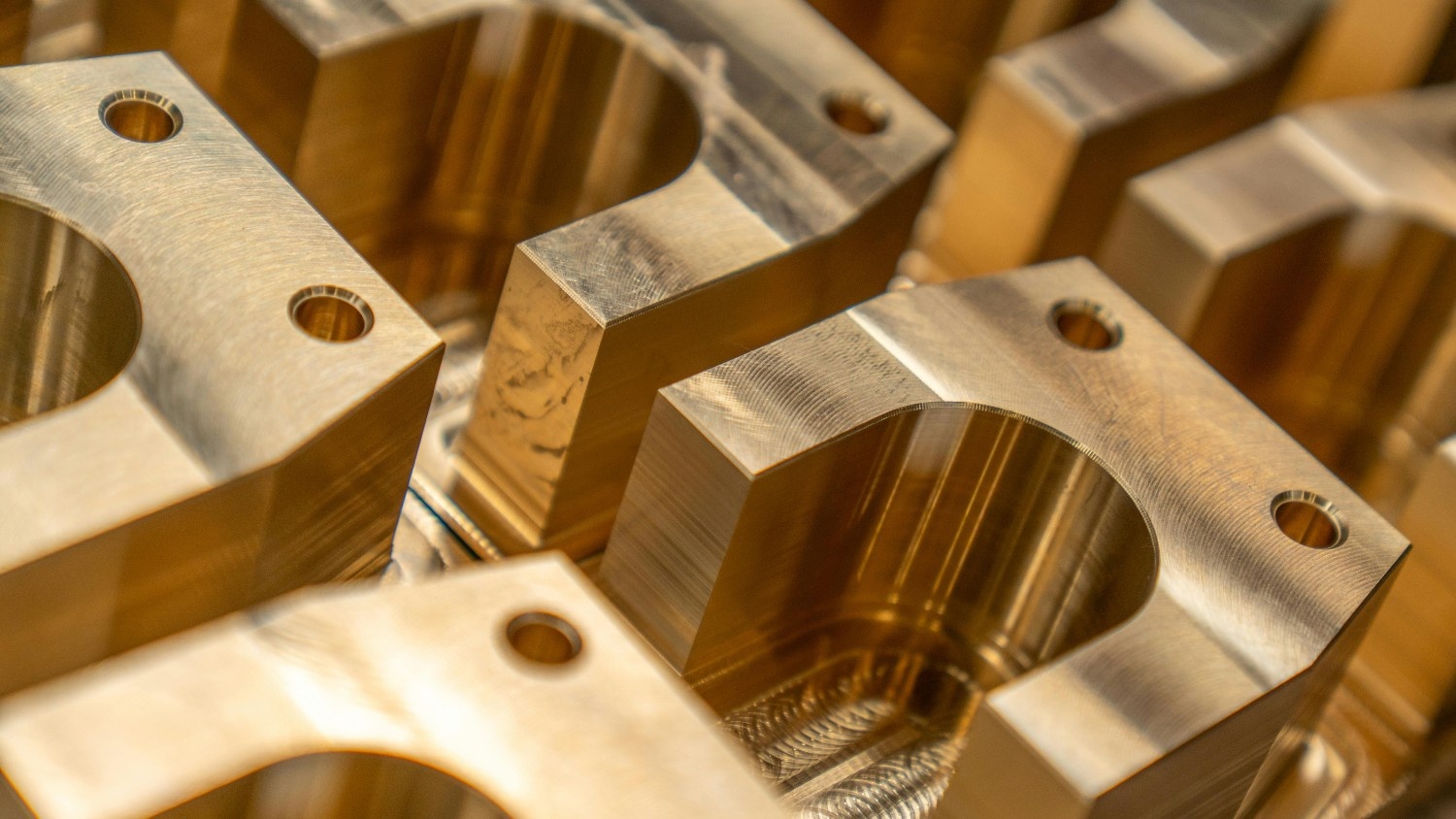
Using modern CNC machining centers, multi-axis milling systems, and precision cutting technology, we manufacture custom milled parts with excellent surface finishes, high repeatability, and stable machining performance across all production stages.
From prototype development to batch manufacturing, our CNC milling process supports demanding industrial production requirements with efficient and reliable manufacturing solutions.
■ Precision CNC Milling Tolerances
Feature – Metric Units
Linear Dimensions – ±0.025 mm
Hole Diameters – ±0.02 mm
Precision Tolerances – ±0.01 mm
Surface Flatness – Depending on geometry
Tolerance capability depends on material type, component geometry,
machining complexity, and production requirements.
■ Materials We Machine
Metals
● Aluminum
● Stainless Steel
● Mild Steel
● Alloy Steel
● Brass
● Copper
● Titanium
Engineering Plastics
● ABS
● Nylon
● PEEK
● Polycarbonate
● Polypropylene
● Acrylic
● POM / Acetal
Modern CNC manufacturing systems commonly support a wide range of engineering metals and plastics for industrial applications.
■ Surface Finishing Options
● As-Machined Finish
● Polishing
● Bead Blasting
● Anodizing
● Black Oxide
● Powder Coating
● Brushed Finish
● Electroless Nickel Plating
● Chromate Conversion Coating
● E-Coating
● Painting
● Heat Treatment
Surface finishing solutions improve appearance, corrosion resistance, wear protection, and overall component performance.
■ Applications
● Automotive Components
● Industrial Machinery
● Mechanical Assemblies
● Tooling Components
● Precision Engineering Parts
● Automation Systems
● Manufacturing Equipment
● Export Manufacturing
■ Quality & Production Control
Every machined component at Robtrix is produced under controlled CNC machining procedures focused on precision, repeatability, and manufacturing reliability.
Inspection & Verification
● In-Process Inspection
● Dimensional Verification
● Surface Finish Inspection
● Tolerance Control
● Final Part Validation
Production Standards
● Structured Manufacturing Workflow
● CNC Process Monitoring
● Controlled Production Systems
● Repeatable Quality Standards
Professional CNC manufacturers commonly apply detailed inspection
procedures and quality control systems to maintain stable production
performance and precision standards.
■ What is CNC Milling?
CNC milling is a precision machining process where rotating cutting tools
remove material from a fixed workpiece to create complex shapes, flat
surfaces, contours, slots, and detailed geometries.
The process is widely used for manufacturing precision industrial
components, tooling parts, engineering assemblies, and custom machined
products.
■ CNC Milling vs CNC Turning
The primary difference between CNC milling and CNC turning is the movement
of the cutting tool and workpiece during machining.
CNC Milling
● Cutting tool rotates
● Workpiece remains fixed
● Best for flat, complex, and irregular geometries
CNC Turning
● Workpiece rotates
● Cutting tool remains controlled in position
● Best for cylindrical and rotational components
Both machining processes are essential in precision manufacturing and are
selected according to component geometry and engineering requirements.